EXPLORE ATLANTA NEIGHBORHOODS


Connect with Jessica at W Realty Atlanta

FB insta  yt-logo

Decatur

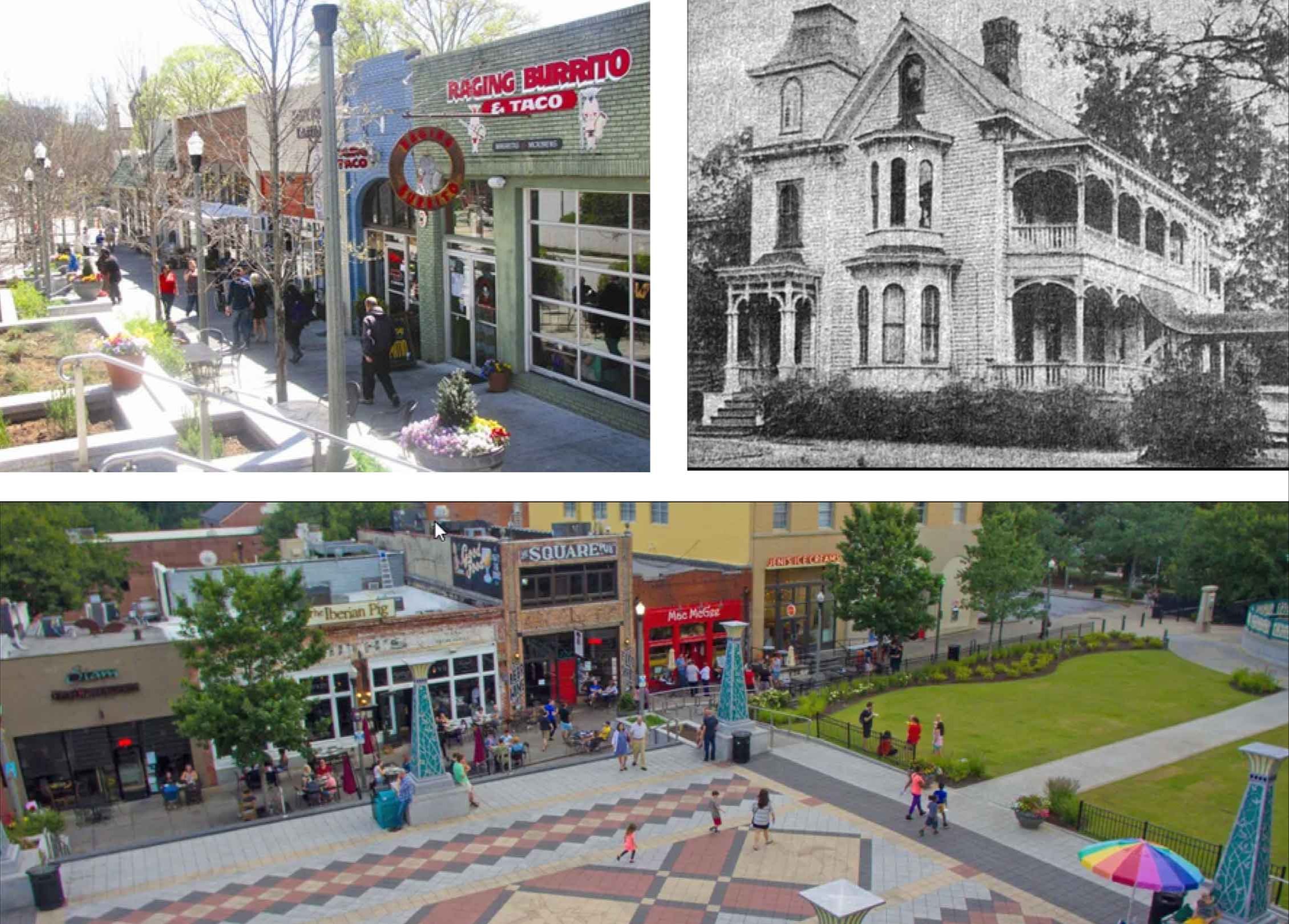
DECATUR IntroductionJust east of the heart of Atlanta lies the City of Decatur;  a small (roughly 4.7-square-mile) city that punches far above its size in charm, community and quality of life. Whether you’re commuting into downtown Atlanta, looking for a high-performing school district, or simply wanting a neighborhood where you can walk to dinner, this is a place where locals feel connected and rooted. In this guide I’ll walk you through what it’s really like to live in Decatur: the vibe, the homes, the amenities, and whether it might be the right match for your lifestyle. The Feel of City of DecaturWalking through Decatur, you’ll immediately sense the blend of historic roots and modern vibrancy. Tree-lined streets, classic Craftsman and bungalow homes in established neighborhoods, transitioning into a lively downtown square filled with boutique retail, cafés, restaurants and regular events. Decatur has several charming neighborhoods and a small-town feel… if you love boutique shopping and farmto-table restaurants, you’ll find everything your heart desires in the downtown Decatur square. On a typical morning: you might grab coffee in Decatur’s downtown district, stroll over to an art-gallery or local shop, spot parents walking their kids to school or daycare.By afternoon you’re close enough to hop on the MARTA line into Atlanta, or stay local for a brewery or live music show. It’s a community that mixes a friendly, walkable lifestyle with urban convenience. Homes & Market Snapshot in City of DecaturHere’s what you need to know about the real-estate and housing scene:The City of Decatur is compact and highly desirable, meaning supply is limited and competition is strong. Housing stock includes historic single-family craftsman homes, mid-century cottages, and newer infill or renovation builds.From a buyer’s perspective: you’re paying for location, schools and walkability; it’s a premium compared to many metro Atlanta neighborhoods.Commercially: the city supports a mix of residential + retail + office space in its five walkabledistricts. MAK Historic District As a realtor I’d counsel clients: if you want to be in Decatur proper (not just nearby), be prepared for fewer listings, possibly a higher price per square foot, and faster decision-making. On the flip side: schools with strong academic metrics, great resale value, a tight community and transportation access. What Locals Love About City of Decatur- Eat & Drink: The downtown square is a hub of independent restaurants, cafés, craft breweries and local shops. The kind of place where you’ll bump into neighbors and stop for more than just errands.- Parks & Outdoors: Though small in area, Decatur offers walkability, green spaces, neighborhood parks, and a pedestrian-friendly environment.- Convenience & Transit: With the downtown area adjacent to the MARTA station, commuting into Atlanta’s core is realistic. Also, being east of Atlanta gives you access to multiple routes and amenities.- Education: Worth a deeper look (see next section) — the public school district is a major draw.- Community Vibe: Locals talk about strong neighborhood groups, festivals, art events and a “village” feel inside a city. In short: live-work-play in one compact package. For many families and professionals, thatcombination is exactly what they’re seeking. Top Ranked Schools: A Closer LookOne of Decatur’s biggest selling points is the independent school system City Schools of Decatur(CSD). Here are key highlights:- The district consistently ranks among the top 5% of school systems in Georgia for proficiency in math, reading, science and overall outcomes. Public School Review- The high school graduation rate is about 94%. Public School ReviewParent involvement is strong, teacher qualifications are high (many with advanced degrees), and the district emphasizes engaged learning. Decatur CSD- For those with children relocating, this school performance adds significant value not just in lifestyle but in resale/investment perspective. So if schools are a priority (whether you’re planning now or thinking ahead), Decatur stands out in the Atlanta metro as a top-ranked schools option. Pros & ConsPros:- Well-rated public schools (rarer intown)- Walkable, vibrant downtown while still feeling neighborhood-oriented.- Strong resale/investment potential given limited supply and high desirability.- Good transit access and proximity to Atlanta with a distinct local identity. Cons:- Housing costs are elevated relative to many other Atlanta suburbs or even in-town areas with fewer amenities.- Inventory is limited, fewer options, and you may face bidding or strong competition.- While walkability is strong, some neighborhoods might still require car usage for errands or commute depending on exact location.- Being desirable means you may need to act sooner rather than later if you find a good property. Is City of Decatur Right for You?If you:- Want top rated public schools for your children or value educational excellence.- Prefer a walkable neighborhood with restaurants, cafes, boutiques and social life.- Value being close to Atlanta but still having a distinct community feel.- Are willing to pay for location, schools and lifestyle. Then yes, Decatur could be a fantastic fit. If instead you:- Need a large yard, more land, or a lower purchase price.- Prioritize a very suburban, car-dependent lifestyle with large lots and minimal walkability.- Are focused purely on maximizing square footage for the budget without as much emphasis on location/schools. Then you might find stronger value in outer-suburb options and consider Decatur as a “premium” move rather than a baseline. Jessica’s TakeawayThe City of Decatur checks many of the boxes for modern homebuyers: highly rated schools, walkablelifestyle, urban-adjacent convenience, and a tight community culture. From a realtor’s viewpoint, I frequently include this area for clients interested in an active, close-to-everything lifestyle; one I bring to clients who care about quality, longevity and sense of place. Thinking about making Decatur your home? Book 15 minutes with Jessica at W Realty Atlanta for expert guidance, personalized tours, and insider tips to find the perfect fit. Looking at more neighborhoods? Check out: Oakhurst or Winnona Park.
Read More

West Midtown

  WEST MIDTOWN IntroductionNestled just a short ride from downtown Atlanta, the West Midtown neighborhood has become one of my favorite communities to show clients—and for good reason. With its industrial-past charm, creative reinvention and vibrant urban energy, this part of the city stands out. Whether you’re a young professional looking for style and convenience or someone seeking a lively, walkable neighborhood, this guide will give you the real scoop on life here.  The Feel of West MidtownWalk into West Midtown and you’ll immediately notice the repurposed warehouses, loft-style apartments, art galleries and modern amenities that co-exist with a tangible industrial vibe. Saturday morning here might mean grabbing coffee at a café off Howell Mill Road, strolling past street art, and popping into a design-shop or gallery. By evening the neighborhood comes alive with restaurants, rooftop bars, music venues and downtown Atlanta adjacencies. The resident mix is a strong pull for creatives, tech-savvy professionals, students (thanks to nearby Georgia Institute of Technology) and anyone who loves being in-the-action.In short: You’ll find an urban tempo paired with authenticity—this is not cookie-cutter suburbia. Homes & Market Trends in West MidtownHere’s what you need to know about the real estate scene:The median home price is around $579,757, which places West Midtown above 83 % of Georgia’s neighborhoods in terms of cost. NeighborhoodScoutThe housing stock tends to be newer or recently renovated; many residences are loft-style and adapted from the area’s industrial past.Rentals are common: a large share of properties are apartment/condo buildings rather than classic single-family homes. NeighborhoodScout From a buyer’s perspective: if you want stylish, centrally located and walkable in Atlanta, you’ll get value— but you’ll also pay a premium relative to more suburban zones.If I’m advising a buyer here, I’d emphasize act-fast on well-priced listings and explore loft conversions or townhome styles for more budget-friendly entry. What Locals Love About West MidtownEat & Drink: The culinary scene is a major draw. From relaxed brunch spots to inventive fine-dining tucked into old factories, West Midtown delivers.Parks & Outdoors: While highly urban, you still get walkability, green touches and easy access to trails and bike-friendly streets.Convenience: Close to major highways (I-75/85), downtown and Midtown, with solid access to transit and commuting routes.Education & Work: With Georgia Tech nearby and a growing mix of creative offices, coworking and startups, this is appealing if you work remote/hybrid or value innovation spaces. The theme is live-work-play in one vivid urban patch of Atlanta; stylish infrastructure meets industrial roots, and you’re close to both city pulse and creative calm. Pros & ConsPros:- Strong location, very central and walkable.- High design and lifestyle appeal: lofts, galleries, restaurants.- Good investment potential—great for buyers seeking modern, urban living. Cons:Ongoing construction and redevelopment - building and roadwork can create noise, dust, and temporary access issues.Parking and traffic can be a nuisance; urban living comes with urban tradeoffs (especiallynights/weekends).With so much popularity, competition for desirable listings is high. Buyers will need to move quickly Is West Midtown a Fit for You?If you love being near the action—restaurants, design-shops, art, nightlife—and you’re comfortable with a more urban lifestyle (less yard, more street-scene), West Midtown is a strong match. Ideal for:- Communtersinto Midtown/downtown but want a more “neighborhood” feel.- Buyers/renters looking for modern apartment/condo living with character. Less ideal for:- Anyone prioritizing large yards/schools in a quiet suburban setting.- Buyers on tight budgets expecting traditional bungalow pricing or large lot space. In short: If your lifestyle leans dynamic, design-forward and connected and you’re ready to engage with a neighborhood that’s “on” rather than “resting”—you’ll feel right at home here. Jessica’s TakeawayWest Midtown offers a compelling blend of design, convenience and urban energy, not every Atlanta neighborhood can claim that trifecta. Coming from its industrial roots into one of the city’s trendiest locales, this is a space where you can live stylishly, commute easily, and enjoy a real sense of place. If you’re ready to explore listings in West Midtown—or want to compare it side-by-side with nearby neighborhoods, reach out anytime. I’d be happy to share current inventory, set up tours, or walk you through price trends. Looking at more neighborhoods? Check out: Grove Park or Center Hill.
Read More

Oakhurst

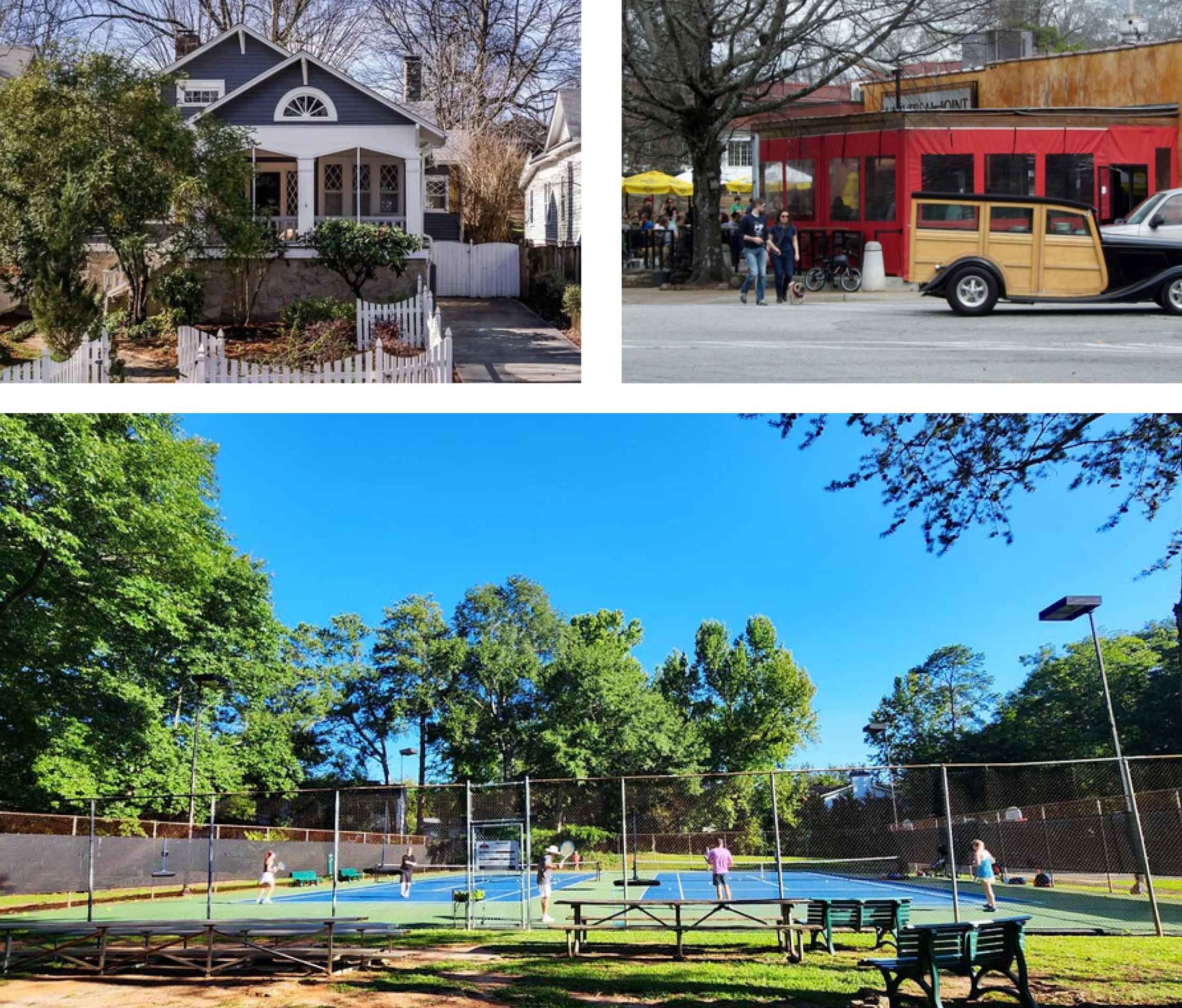
OAKHURST Introduction Just a few miles east of downtown Atlanta, the Oakhurst neighborhood in the City of Decatur stands out as an intown gem. With tree-lined streets, historic Craftsman bungalows, and the walkable hub known as Oakhurst Village, this community offers both charm and connection. Whether you’re drawn by excellent schools, a vibrant local scene, or a real estate market that’s solid for the long term, Oakhurst demands a serious look. In this post I’ll walk you through what life here is like... from the housing to the vibe to who it’s best for. The Feel of OakhurstThe moment you arrive, you'll sense Oakhurst’s distinct character: friendly front porches, historic-era homes nestled under an oak canopy, and a walkable cluster of shops and eateries around Harmony Park and the Village area. On a typical Saturday: you might grab coffee at a local café, stroll over to a pizza spot or craft beer joint in the Village, maybe meet neighbors at the dog park, then park yourself on a porch for one of the neighborhood’s events like Porchfest or the arts festival. This is a close-knit community where families, young professionals, creatives, and long-time residents intermingle. It has the feel of "town within the city"; the benefits of intown living, but a cozy neighborhood identity. Homes & Market Trends in OakhurstHere’s what to know from a real-estate lens:Housing in Oakhurst is primarily historic in character — think early 1900s Craftsman bungalows, Four-Square homes, some post-war styles and newer infill builds.Because of its desirability (walkability + schools + intown access), inventory is tighter and pricing reflects premium. For buyers: it’s smart to be ready and set your budget, because homes that deliver the mix of charm + location + school access tend to move quickly.For sellers/investors: Oakhurst offers solid long-term upside because you're tapping into both the intown Atlanta market and a highlly ranked school system. As your realtor, my advice would be: if you love this neighborhood, don’t wait too long. And be flexible on condition or square footage if you want the best blocks. What Locals Love About Oakhurst- Eat & Drink: Oakhurst Village is a heartbeat of the neighborhood — cafés, pizza, craft beer, donut spots, brunch joints and more.- Parks & Outdoors: The neighborhood offers great outdoor amenities. For example, Oakhurst Park features tennis courts, a dog park, playgrounds and more.- Transit & Access: With proximity to the MARTA Blue Line (East Lake station) and easy access to Atlanta’s core, you’re not sacrificing city connectivity.- Community and Events: Oakhurst hosts annual happenings like the Porchfest and Arts & Music Festival that help build neighborhood energy and connection.- Schools: As part of the City of Decatur school district, the neighborhood taps into one of the metro area’s most sought-after public-school systems (see more below). Having highly rated schools plus an intown feel is a rare combo. Schools & EducationIf you’re buying for school access or future resale strength, this matters:Oakhurst is served by the City of Decatur school system, known for strong performance and reputation. The walkability and local amenities add to the attractiveness for anyone wanting access to Decatur schools + neighborhood lifestyle. From a realtor perspective: homes in this school district often hold value better and appeal to a larger pool of buyers over time. Pros & ConsPros:- Highly ranked schools + neighborhood identity.- Good walkability, strong community feel, amenities close by.- Historic charm, architectural variety, good long-term investment potential. Cons:- Because of its popularity, homes come at a premium and competition can be stiff.- Depending on the exact block, you may need to accept smaller lots or older home condition (if you want historic charm).- Parking or traffic might feel more intense versus farther-out suburbs; typical intown trade-offs. Is Oakhurst a Fit for You?This neighborhood is ideal if:- You want an intown Atlanta vibe but with a strong sense of neighborhood.- Schools are important to you (now or in future).- You enjoy walkability, local cafés/restaurants, and a bit of community buzz.- You’re willing to invest a little more for location, charm and long-term value. Might be less ideal if:- You’re prioritizing large acreage, very low density or ultra-budget pricing.- You prefer strictly quiet, suburban-style development far from city-adjacent noise/traffic.- You need maximal home square footage for minimal cost (you might find more value further out). Jessica’s TakeawaysOakhurst is one of those sweet spots where you get the best of both worlds: historic character, neighborhood spirit, a school district ranked 401 out of about 10,394 in the U.S (niche.com) and intown Atlanta access. This area is frequently included on showing lists for buyers prioritizing Decatur schools, walkability, and stable long-term property demand. Ready to explore homes in Oakhurst? Contact Jessica at W Realty Atlanta for personalized tours, expert advice, and insider tips to find your perfect fit. Looking at more neighborhoods? Check out: Decatur or Winnona Park.
Read More

Winnona Park

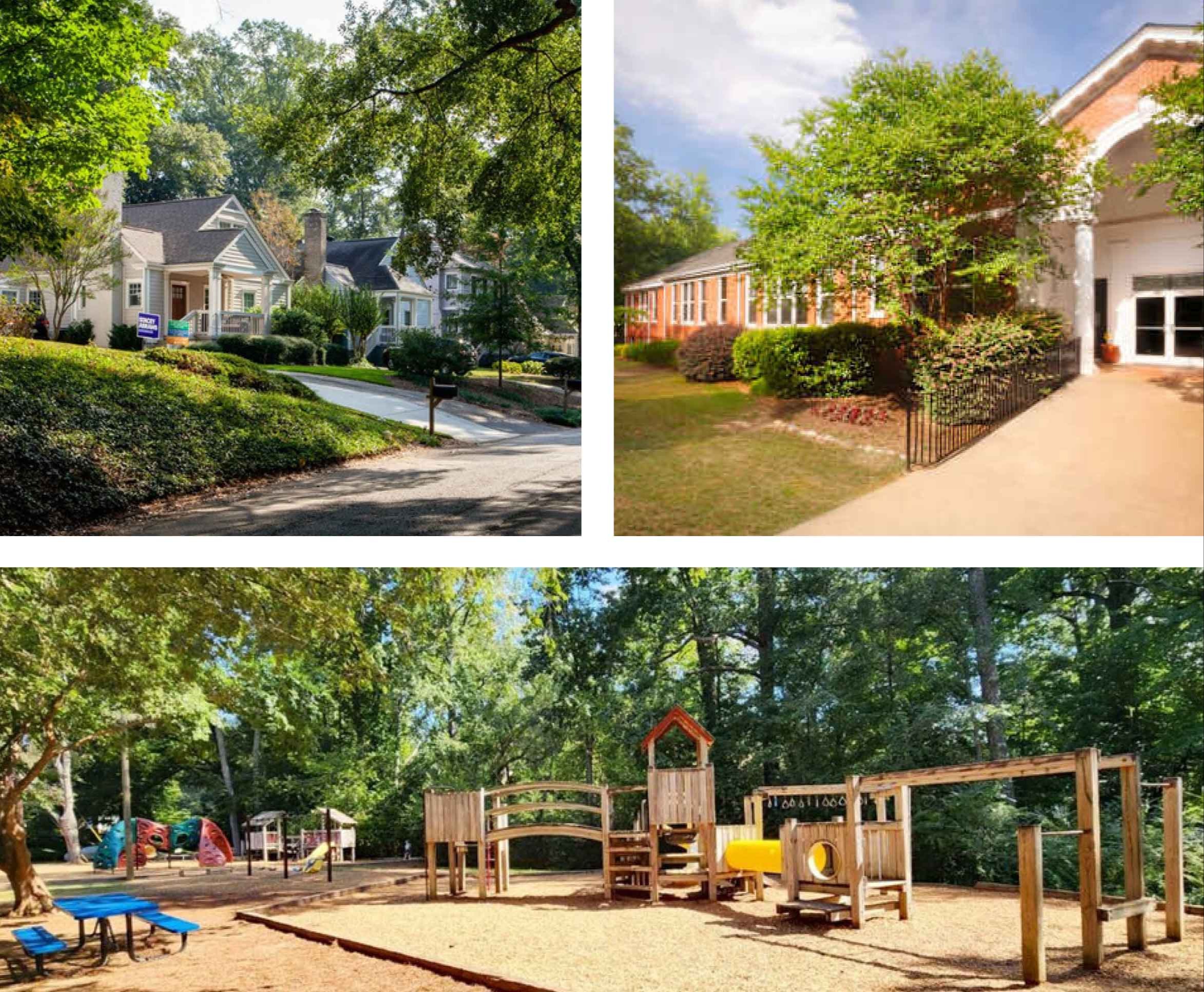
WINNONA PARK   IntroductionJust southeast of downtown Decatur lies the charming and historic Winnona Park neighborhood, leafy, community-minded area that mixes early-20th-century architecture with modern neighborhood life. Whether you’re drawn by access to the highly ranked City Schools of Decatur, a short commute into Atlanta, or simply the sense of community in a place where your neighbors might know your name, this guide will walk you through what life is like here: the feel of the place, the real estate scene, the amenities, and whether it might be a fit for your lifestyle. The Feel of Winnona ParkWinnona Park offers a quieter alternative to busier urban neighborhoods, yet remains in-town enough to benefit from walkability, transit access, and proximity to dining and shopping. The neighborhood is known for its tree-lined streets, historic houses (bungalows, Tudor and English-Country style), and small-scale local amenities. wpnadecatur.comIts say: “We want top-rated schools, an intown feel and a home with character.” On a typical Saturday morning you might take a stroll around the block, grab coffee or brunch nearby, maybe head to the small green space behind the elementary school or follow Shoal Creek through parts of the area.  Residents say the feeling is friendly and neighbor-oriented: “Winnona Park is a friendly neighborhood … Known for its charming bungalows, excellent schools, andcommunity events.” nextdoor.com It blends historic architecture with a modern lifestyle, often appealing to families, professionals, and people who value both charm and convenience. Homes & Market Snapshot in Winnona ParkHere’s what to know about real estate in the neighborhood:- Winnona Park is listed on the National Park Service National Register of Historic Places, reflecting its architectural value and development history. NPGallery- Housing styles vary: You’ll find Craftsman bungalows, Tudor Revival cottages, English Country style houses and mid-century homes.- Pricing is elevated compared to many surrounding areas: one source suggests single-family homes range from about $700K to $1.6M depending on size, style and condition. From a realtor’s lens: Because of its desirability (schools, location, character), inventory tends to move promptly. Buyers should be ready; sellers are afforded relatively strong resale conditions. My advice to clients interested in Winnona Park:Prioritize your must-haves (yard size, architectural style, proximity to the school) becausecompromises may be needed.Consider condition versus cost: The historic homes are full of character but may need updates.Evaluate access and commute: While intown, check how your daily travel fits (traffic, MARTA access). What Locals Love About Winnona ParkEat & Drink: While Winnona Park itself is largely residential, its proximity to downtown Decatur and adjacent neighborhoods gives residents good access to restaurants, cafés and local flavor.Parks & Outdoors: The neighborhood includes green-spaces and natural features—there’s Shoal Creek running through a portion of the neighborhood, and the park behind Winnona Elementary offers a playground and open field. Convenience & Transit: The neighborhood is only a few miles from downtown Decatur and offers relatively easy access to Atlanta via major roads or transit.Schools & Community: The central location of Winnona Elementary within the neighborhood, alongwith being zoned within the City of Decatur school system, boosts both lifestyle and resale value.Neighborhood Character: The area is known for its association, its events, and the way neighbors engage. There’s a sense of “we live here” rather than “we just bought here.” Schools & EducationFor those with children, the school factor is a strong asset:Children in Winnona Park attend the City Schools of Decatur—one of the more highly regarded public school systems in the region. NicheThe actual elementary school (Winnona Park Elementary School) is physically located in the neighborhood, making for convenient walks to school for many families. From a realtor’s perspective: For buyers and investors alike, access to well-rated public schools tend to enhance value and desirability; important for resale or long term holdings. Pros & ConsPros:- Located within a high-performing school district, neighborhood reputation.- Historic charm plus mature trees and comfortable streetscape.- Intown convenience—access to Decatur and Atlanta while retaining a neighborhood feel. Cons:- Price point is high—if budget is tight or large lot is required, you may need to look elsewhere.- Inventory may be limited or require swift action.- Some areas may have less pedestrian connectivity than others (as some locals note it’s “friendly but you do cross larger roads to get downtown”). Is Winnona Park a Fit for You?Winnona Park is a strong match if you: - Want a neighborhood with character, walking access to amenities, and proximity toDecatur/Atlanta.- Are seeking proximity to top-ranked school options, and a home with some architectural interest.- Value community feel, neighborhood involvement, and a lifestyle that balances quiet residential living with urban adjacency. It may be less ideal if you: - Need ultra-large yards or want brand-new construction at the lowest cost.- Have a tight budget that cannot absorb the premium for location, schools and historic value.- Prefer a strictly suburban layout far from city traffic or a completely car-free lifestyle (though transit access exists, you will still likely rely on a car for many errands). Jessica’s TakeawayWinnona Park stands out as one of the “sweet spot” neighborhoods in the Decatur/Atlanta area where lifestyle, school ranking and neighborhood identity align. As a realtor, it's absolutely on my shortlist when clients say: “We want highly rated schools, an intown feel and a home with character.” Interested in Winnona Park homes? Book 15 minutes with Jessica at W Realty Atlanta for expert guidance or to book personalized tours... and to get insider tips to find your perfect fit. If you like Winnona Park also check out: Oakhurst and Decatur.
Read More

Center Hill

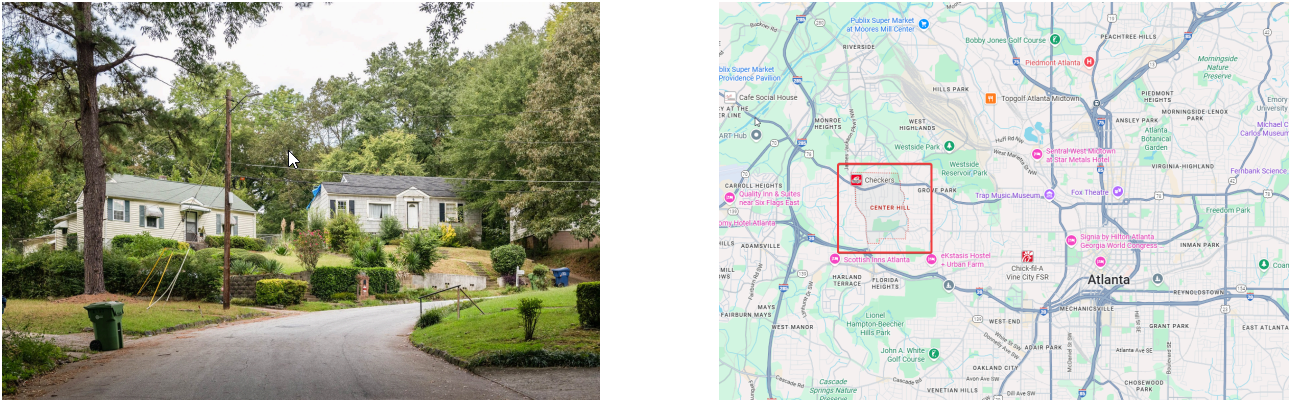
CENTER HILL IntroductionTucked into northwest Atlanta, Center Hill is a neighborhood with deep roots, evolving character, and a growing appeal for buyers who value both affordability and potential. With green spaces nearby, a range of architectural styles, and easy access to city amenities, Center Hill offers a real sense of place. In this guide, I’ll walk you through what makes this community tick; from real estate trends to local features, transportation, and schools. The Feel of Center HillCenter Hill balances a peaceful, residential atmosphere with proximity to key parts of Atlanta. Homes are nestled on rolling, tree-lined streets, giving the neighborhood a grounded, established feel. NeighborHood ScoutThough it's more subdued than Atlanta’s liveliest districts, real activity is nearby: the neighborhood sits just south of Westside Reservoir Park, which brings verdant trails, open space, and a future connection tothe BeltLine. HomesTransit and connectivity matter here: Donald Lee Hollowell Pkwy. (formerly Bankhead Hwy) runs through the neighborhood, with bus stops that offer access deeper into the city. The community is engaged, too; the Center Hill Neighborhood Association is active in local development and civic life.  Homes & Market Snapshot in Center HillHere’s a look at what the real estate market is doing and what’s available:The median listing price for a home in Center Hill is around $290,700 per Realtor.com data.According to Homes.com, the neighborhood features a mix of mid-century bungalows (1920s–1960s) and newer infill homes with modern farmhouse touches like shiplap and exposed beams.NeighborhoodScout estimates the median real estate price at about $288,265. On the rental side, a portion of the housing stock is occupied by renters, but there are single-family homes too. Redfin’s recent data shows a median sold price near $297K, and homes in the area tend to spend around 94 days on market.  As a realtor, I’d tell clients: Center Hill offers good value, especially for people willing to renovate or buy with an eye toward future growth. There is upside potential, especially with green-space development nearby, but it’s also important to move thoughtfully. Inventory may not be massive, and the neighborhood is in transition. What Locals Love About Center HillParks & Outdoor Space: Center Hill Park is in the neighborhood, with playgrounds, picnic areas, and a splash pad. Just to the north is the Westside Reservoir Park, offering trails, art installations, and large green spaces. HomesDining & Retail: Along Donald Lee Hollowell Parkway, there are local dining options, including soul food and barbecue. For bigger errands, major retailers like Walmart Neighborhood Market, Publix, and Home Depot are within a few miles.Community & Culture: The Center Hill Neighborhood Association is very active, organizing events and influencing redevelopment. The area’s history and architecture (think mid-century bungalows) attract people who appreciate character and authenticity.Transit & Access: Bus access along Hollowell Parkway helps with commuting. HomesProximity to Westside Reservoir Park and future connections make it more attractive for wak or bike-friendly planning. Schools & EducationCenter Hill falls under the Atlanta Public Schools system. Public schools in or near the neighborhood include Woodson Park Academy (K–8), Harper-Archer Middle, and Frederick Douglass High.Frederick Douglass High, located in the broader area, offers STEAM pathways in its curriculum. Private and charter options nearby include Greater Atlanta Adventist Academy. Pros & ConsPros:- More affordable compared to many intown neighborhoods.- Established, mature feel with historic homes and trees.- Close to major green space (Westside Reservoir Park) with plans for connectivity.- Transit access via bus routes on Hollowell Parkway.- A strong neighborhood association, which means local voices are being heard in development. Cons:- Homes may require renovation; not all are turnkey, especially older bungalows.- Some sections are in transition, and redevelopment could lead to shifting neighborhood dynamics.- Yards are modest; many properties sit close together. Homes- While access to transit is present, many errands may still require a car (for now).  Is Center Hill a Fit for You?You might find Center Hill appealing if you:- Want a relatively affordable entry point into northwest Atlanta.- Appreciate homes with character, especially older, mid-century bungalows.- Value green space and future park connectivity.- Want a neighborhood where you can participate in community development.- Need transit options for commuting but don’t mind some car reliance. It may be less ideal if you:- Prefer brand-new construction or move-in-ready luxury homes.- Need very large yards or spacious lots.- Require walkable retail or a dense city-core vibe (though this is improving). Jessica’s TakeawayCenter Hill is a compelling neighborhood for buyers who are looking for value, character, and long-term upside. It’s not a finished product — but that’s part of the opportunity. As a realtor, I see this neighborhood as a place to help clients build equity and be part of a community that’s growing and evolving. If you’re curious about current listings in Center Hill or want to compare it with nearby neighborhoods like Grove Park or West Midtown, I’d be happy to pull up homes matching your criteria and walk you through what’s on the market now. Contact Jessica at W Realty Atlanta for expert guidance, personalized tours, and insider tips to find the perfect fit.
Read More

Grove Park

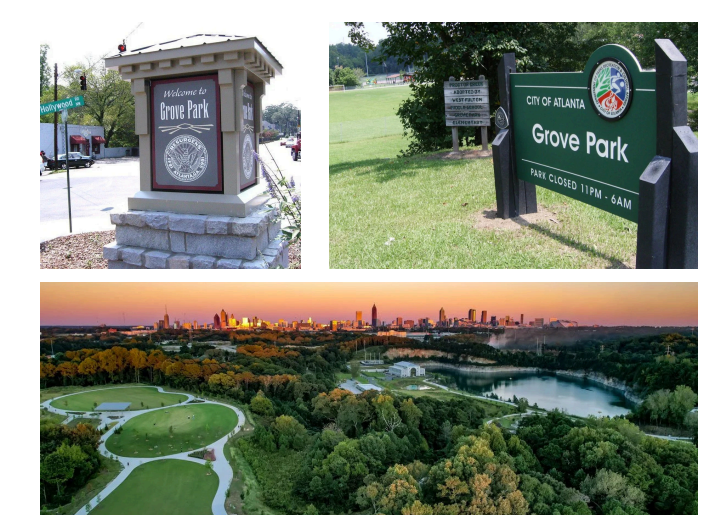
GROVE PARK IntroductionLocated in northwest Atlanta, Grove Park is a neighborhood with a rich history, deep roots, and increasing interest from buyers looking for urban opportunity. With its mix of historic homes, significant green space, and community-led revitalization, Grove Park offers potential for both long-term value and lifestyle appeal. In this guide, I’ll walk you through what makes Grove Park unique, from its real estate market to parks, transportation, and community dynamics. The Feel of Grove ParkGrove Park is grounded and authentic, featuring tree-lined streets, classic cottages, ranch-style homes, and historic architecture developed in the 1920s and ’30s.  Neighborhood Association (GPNA), is very active — working on beautification, zoning, public safety, and community events. One of the defining features is its proximity to massive green infrastructure: Westside Reservoir Park borders the area, offering miles of trails, scenic overlooks, and a connection to the Proctor Creek Greenway. Despite its historic roots, Grove Park is in a phase of renewal, with resident-led efforts, nonprofit investment, and development planning shaping its future. Grove Park Foundation Homes & Market Snapshot in Grove ParkHere’s a breakdown of Grove Park’s real estate scene:According to Redfin, the median sale price in Grove Park recently was around $257,500, and the median time on market is 87 days for homes currently selling. Redfin There's a variety of housing types: historic cottages, ranch homes, split-levels, and renovated infill homes. The area has affordable, spacious properties and newer construction or renovated homes are gaining popularity. The Grove Park Foundation is actively working to preserve affordable housing, with plans to rehab and build hundreds of units.  From a realtor’s perspective, Grove Park represents a compelling entry point into in-town Atlanta, especially for buyers who value character, green space, and long-term vision. Some homes may require renovation, but there is strong potential upside for both buyers and investors. What Locals Love About Grove ParkParks & Outdoor Space: The neighborhood’s namesake, Grove Park, provides green space, recreation, and gathering opportunities. Westside Reservoir Park, adjacent to Grove Park, offers expansive trails, overlooks, and connections to a broader Atlanta greenway system.Community & Culture: The Grove Park Neighborhood Association (GPNA) is deeply involved in community planning, events, sustainability, and zoning. The Grove Park Foundation supports stability in the neighborhood, especially for long-term homeowners, through home repair programs and affordable housing initiatives. The area has historic charm, with homes on streets named for Dr. Edwin Wiley Grove’s family (Gertrude Place, Evelyn Place).Transit & Access: Donald Lee Hollowell Parkway (US 278) runs through the neighborhood, offering connectivity to other parts of Atlanta. MARTA bus service runs through Grove Park, and there is relatively easy access to nearby stations (e.g., Bankhead). Schools & EducationGrove Park is served by Atlanta Public Schools.Schools in or near the neighborhood include Woodson Park Academy (K–8), John Lewis Invictus, and Frederick Douglass High School.The Grove Park Foundation also supports educational and economic opportunity programs to strengthen long-term stability in the community. Pros & ConsPros:- Relatively more affordable than many in-town neighborhoods, with both historic homes and newer development.- Significant green space and trail access via Westside Reservoir Park and Proctor Creek Greenway.- Active neighborhood and nonprofit involvement, both in planning and revitalization.Potential for long-term value growth as in-town living and investment increase. Cons:- Some homes may need renovation, especially older cottages or split-levels.- The neighborhood is in transition; buyers should understand which parts are more developed or revitalized than others.- While transit and connectivity are good, a car may still be useful depending on lifestyle and errands. Is Grove Park a Fit for You?You might find Grove Park attractive if you:- Want to invest in a neighborhood with upward potential, not just for today but for the long run.- Appreciate historic architecture and the opportunity to restore or customize a home.- Value proximity to green space, trails, and a pedestrian-friendly environment.- Are looking for a community with strong neighborhood engagement and meaningful nonprofitdriven development. It might be less ideal if you:- Prefer completely move-in–ready luxury homes with brand-new finishes.- Need a turnkey, high-end, suburban-style lot with all modern utilities and zero renovation.- Prioritize immediate high walkability to dense retail or major commercial hubs (though that could change with future development). Jessica’s Takeaway:Grove Park is one of those neighborhoods where long-term vision meets immediate opportunity. For buyers who aren’t just looking for a house but a stake in a community, there is strong potential for value, lifestyle, and growth. With its green assets, active neighborhood association, and affordable intown charm, Grove Park should absolutely be on your radar. If you like, I can pull three current Grove Park listings that reflect different price tiers and conditions (from renovated to fixer) — and we can evaluate which are the strongest plays today. Connect with me here. Looking at more neighborhoods? Check out: Center Hill or West Midtown.
Read More

Old Fourth Ward

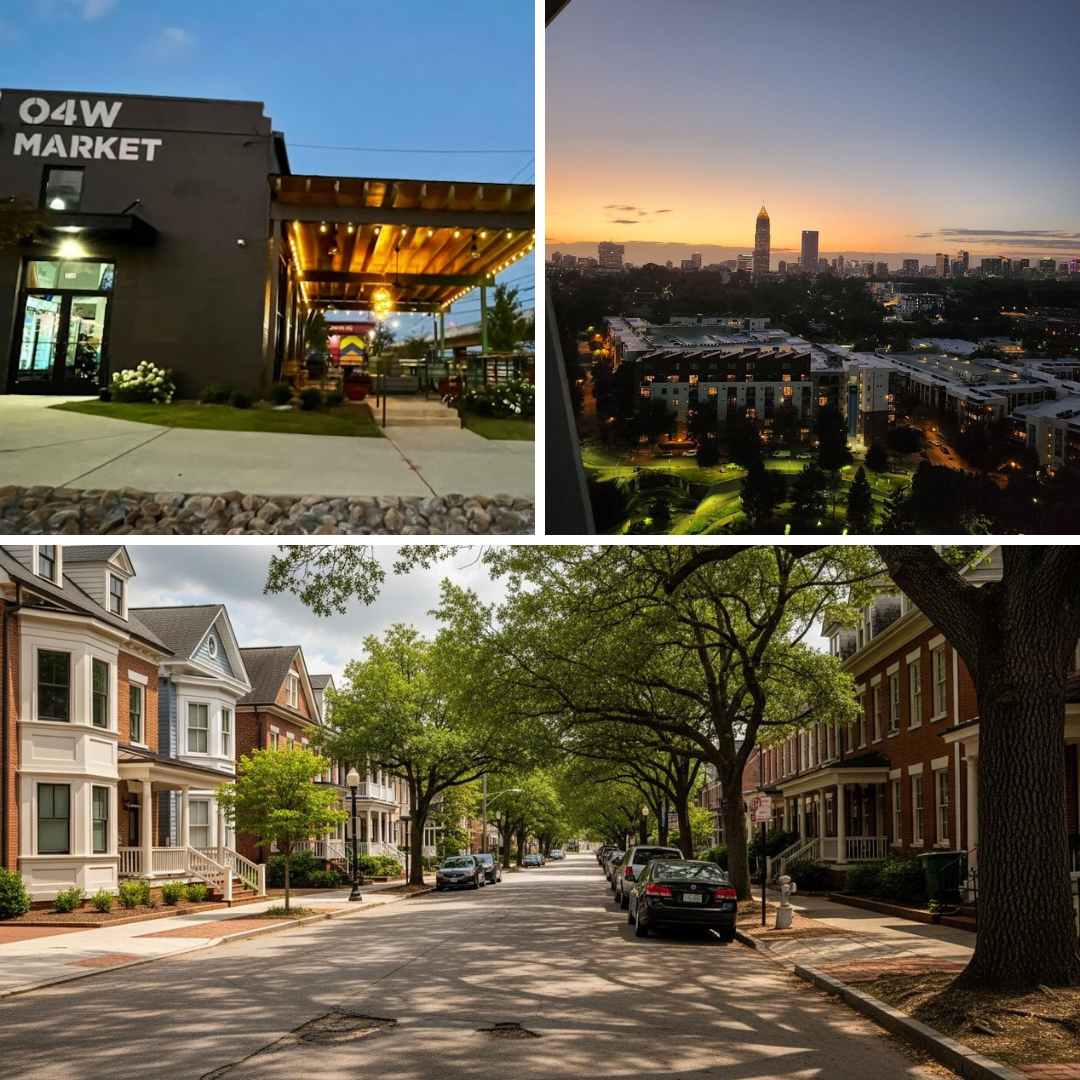
OLD FOURTH WARD Introduction Just east of Downtown Atlanta, Old Fourth Ward (O4W) has transformed into one of the city’s most vibrant and sought-after in-town communities. With historic homes, modern infill, murals, converted warehouses, and easy access to the BeltLine’s Eastside Trail, the neighborhood blends grit, creativity, and walkable convenience in a way few areas can match. Whether you’re drawn to its food scene, its urban park system, or the lifestyle that comes with living near one of the most active segments of the BeltLine, Old Fourth Ward deserves a close look. Here’s what it’s like to live here — from the vibe to the housing to who the neighborhood best fits. The Feel of Old Fourth Ward The moment you step into Old Fourth Ward, you feel its mix of old and new. Historic cottages and early 1900s homes sit near sleek townhomes, loft conversions, and modern builds. Side streets are tree-lined and calm; main corridors buzz with restaurants, cafés, and small creative businesses. Historic Fourth Ward Park is a major anchor — a beautiful lake, greenspaces, trails, playgrounds, and a skatepark — giving O4W an urban-yet-active feel. The BeltLine brings constant foot traffic, joggers, and cyclists, creating a neighborhood where daily life often happens outside. This is a community full of young professionals, creatives, longtime residents, and downsizers who love walkability. It’s lively but not chaotic; urban but warm; and deeply local in its feel. Homes & Market Trends in Old Fourth Ward From a real-estate lens, here’s what you need to know: Housing Types: Early 20th-century cottages and bungalows Historic homes with renovated interiors Industrial loft conversions (former warehouses & factories) Modern townhomes and contemporary single-family builds Mid-rise apartments and condo developments Market Dynamics:Because of its urban lifestyle and adjacency to the BeltLine, Old Fourth Ward commands strong prices and steady demand. Inventory can be limited — especially for renovated historic homes or modern townhomes near the trail. For buyers:Be prepared to act quickly, especially for anything walkable to the BeltLine or Historic Fourth Ward Park. Modern builds and renovated bungalows go fast. For sellers/investors:O4W continues to appreciate due to location, walkability, and its cultural corridor. Well-presented properties near the park or BeltLine typically draw strong interest and competitive offers. What Locals Love About Old Fourth Ward Dining & Drinks: A high density of chef-driven restaurants, local cafés, breweries, and creative eateries. Truly walkable choices. Outdoor Life: Historic Fourth Ward Park, the Eastside Trail, skatepark, dog-friendly spaces, and pocket parks throughout. Creative Culture: Murals, public art, galleries, performance spaces, and frequent pop-up events. Walkability: Some of the best in Atlanta — errands, workouts, dining, and social life accessible without a car. Urban Conveniences: Quick access to Midtown, Inman Park, Downtown, and several major job centers. Schools & Education Old Fourth Ward is part of the Atlanta Public Schools (APS) system. School options vary depending on exact zoning, and many families consider charter and private options as well. Proximity to parks, libraries, museums, and community programs adds to its appeal for households wanting an urban lifestyle with educational resources nearby. From a realtor perspective: schools aren't the primary driver for demand here, lifestyle is... the neighborhood attracts buyers because of location and long-term resale strength. Pros & Cons Pros: Excellent walkability and BeltLine access Rich food, art, and cultural scene Mix of historic charm and modern living Strong long-term property demand and appreciation Close to Downtown, Midtown, and major job hubs Cons: Premium pricing due to high demand and limited space Some areas experience construction noise or growing density Smaller lots and limited yard size in many parts Urban environment means occasional parking and traffic challenges Historic homes may require updates or renovation budgets Is Old Fourth Ward a Fit for You? This neighborhood is ideal if: You want a walkable, urban lifestyle close to parks, cafés, and trail systems You enjoy creative energy, local businesses, and cultural events You value proximity to the BeltLine and in-town access You’re open to smaller lots or modern vertical-style living You want strong long-term property value in a growing corridor Might be less ideal if: You prefer quiet, low-density suburban living Large yards or expansive square footage are top priorities You want the lowest price-per-square-foot You dislike construction, density, or a lively street scene You want a more traditional or spread-out neighborhood feel Jessica’s Takeaways Old Fourth Ward is one of Atlanta’s most dynamic neighborhoods — a place where history meets reinvention, where parks and pavement coexist, and where local businesses shape the neighborhood’s identity. If you want a lifestyle anchored by walkability, creativity, and strong connectivity to the heart of the city, O4W deserves a serious look. Want to see what's avaialble now in O4W? Book 15 minutes with me.  If you like Old Fourth Ward, you might also like Midtown Atlanta or Poncey Highlands.   
Read More

Midtown Atlanta

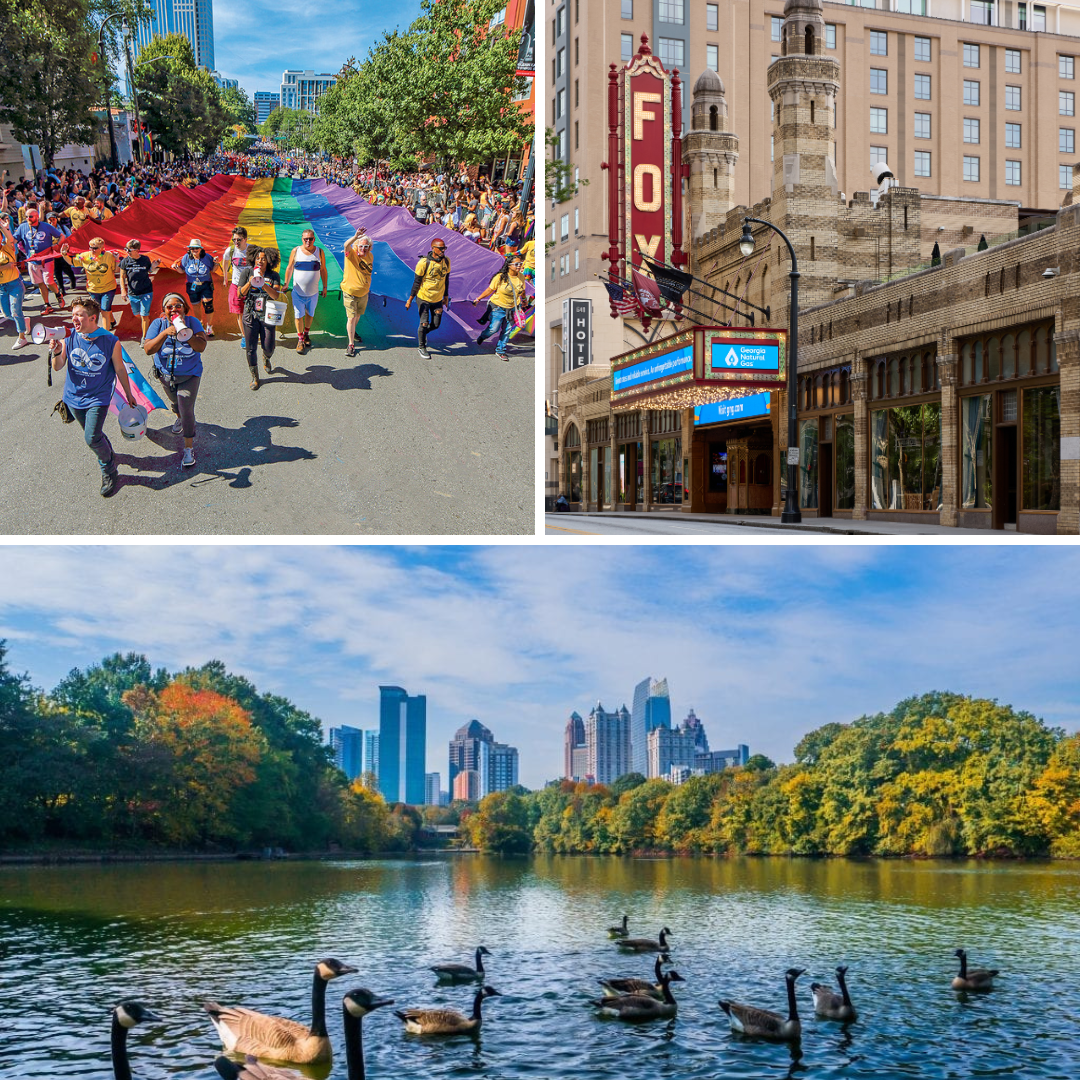
MIDTOWN ATLANTA Introduction Midtown Atlanta is the city’s cultural and commercial heartbeat; a bustling urban hub where arts, architecture, green spaces, and modern living converge. Known for its iconic skyline, world-class arts institutions, and walkable streets, Midtown offers a lifestyle that blends energy, convenience, and sophistication. Whether you’re drawn to museums, theaters, dining, or a dynamic real estate market, Midtown offers a unique urban experience. Here’s a look at what life is like in Midtown, from the vibe to housing trends to who thrives in this part of Atlanta. The Feel of Midtown The moment you step into Midtown, you feel its vibrancy. Sidewalks are alive with professionals heading to offices, students walking to Georgia Tech, and residents strolling to brunch spots or the park. Midtown is diverse: sleek high-rise condos stand near historic apartment buildings, while boutique shops, cafés, and fitness studios line tree-shaded streets. Piedmont Park serves as Midtown’s backyard. Spanning over 180 acres, the park is a hub for joggers, dog walkers, cyclists, and families. It hosts festivals, concerts, and farmers’ markets, making it both a recreational and social center. The neighborhood’s energy is balanced by green spaces, making it one of Atlanta’s most appealing urban areas for people who want city life without sacrificing outdoor amenities. Midtown is also Atlanta’s arts and culture hub. The Fox Theatre, Woodruff Arts Center, High Museum of Art, and various galleries ensure there’s always something inspiring to see or experience. Walking through Midtown, you’re reminded that this is a neighborhood that thrives on creativity and activity. Homes & Market Trends in Midtown From a real estate perspective, Midtown offers a mix of modern urban living and classic architecture. Housing Types: High-rise condos with skyline views Luxury apartments and rental buildings Historic mid-rise apartments and loft conversions Townhomes and infill developments in quieter pockets Market Dynamics:Midtown’s central location and amenities mean demand is strong, particularly for condos near Piedmont Park or within walking distance of the arts district. Inventory can move quickly, especially for well-located units with modern amenities. Pricing reflects the urban convenience, cultural access, and lifestyle benefits Midtown offers. For buyers:Being prepared with financing and a clear sense of your priorities is essential. Midtown appeals to professionals, empty-nesters, and anyone who wants a low-maintenance, urban lifestyle with walkability and transit options. For sellers/investors:Midtown’s combination of strong rental demand and long-term appreciation makes it attractive. Properties that highlight lifestyle amenities... park proximity, transit access, and modern finishes all tend to draw strong interest. What Locals Love About Midtown Dining & Nightlife: From upscale restaurants to casual cafés, craft coffee shops, and bars, Midtown’s food scene caters to every taste. Arts & Culture: Home to the Fox Theatre, Woodruff Arts Center, High Museum, and public art installations. Regular events keep the cultural calendar full. Parks & Recreation: Piedmont Park anchors the neighborhood, providing green space, trails, sports fields, and weekend events. Transit & Connectivity: Walkable streets, MARTA access, and bike lanes make commuting easy. Midtown is centrally located between Downtown and Buckhead. Shopping & Services: Boutique shops, fitness studios, grocery stores, and medical offices provide urban convenience without leaving the neighborhood. Schools & Education Midtown primarily falls under Atlanta Public Schools, with access to several private and charter options nearby. While school selection may not be the top draw for most Midtown residents; many are young professionals or empty-nesters, families still benefit from access to quality educational options within a short drive. From a real estate perspective: Midtown’s appeal comes more from lifestyle, location, and walkability than traditional school districts, but proximity to reputable schools adds to long-term value for family buyers. Pros & Cons Pros: Central location with easy access to Downtown, Buckhead, and surrounding neighborhoods Piedmont Park and other green spaces within walking distance Strong cultural scene: theaters, museums, galleries, and public art Walkable streets with shops, restaurants, and cafés High long-term property demand and strong rental market Cons: Premium pricing due to central location and high demand Some areas can feel dense and busy Limited large yards or private outdoor space Parking can be challenging, typical for an urban core Noise and foot traffic in high-density corridors Is Midtown a Fit for You? This neighborhood is ideal if: You want a walkable, urban lifestyle close to culture, dining, and green space You enjoy festivals, arts events, and social gatherings Proximity to work, public transit, or Downtown is important You want a low-maintenance home or condo with modern amenities You value city living and a lively, energetic environment Might be less ideal if: You prefer suburban-style living with large yards Quiet, low-density streets are a priority You want the most affordable price-per-square-foot options You dislike urban noise, foot traffic, or busy streets Large single-family homes are your primary goal Jessica’s Takeaways Midtown Atlanta delivers an urban lifestyle that balances culture, convenience, and energy. It’s ideal for those who want to live in the heart of the city, steps from Piedmont Park, arts, restaurants, and public transit. For buyers prioritizing walkability, amenities, and long-term value, Midtown offers a mix of historic charm and modern convenience — making it one of Atlanta’s most compelling in-town neighborhoods. Thinking about making Midtown your home? Contact Jessica at W Realty Atlanta for expert guidance, personalized tours, and insider tips to find the perfect fit for your lifestyle. If you're interested in Midtown, you might also like Old Fourth Ward or Poncey Highlands.
Read More


Poncey Highlands

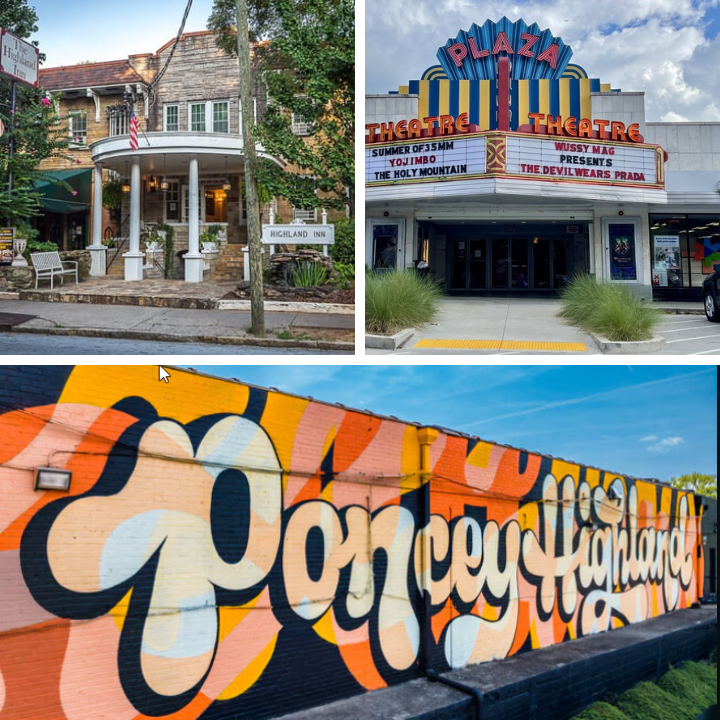
PONCEY HIGHLAND   Introduction Nestled between Virginia-Highland, Inman Park, and Druid Hills, Poncey-Highlands is one of Atlanta’s most charming intown neighborhoods. Known for its tree-lined streets, historic homes, and walkable vibe, this area offers a mix of historic character and modern convenience. Residents enjoy being steps away from eclectic shops, locally owned cafés, and the Ponce City Market corridor, all while maintaining a tight-knit community feel. Whether you’re drawn by the neighborhood’s historic homes, proximity to Piedmont Park, or easy access to dining and nightlife, Poncey-Highlands is worth a serious look. Here’s a full breakdown of what life is like here. The Feel of Poncey-Highlands When you arrive in Poncey-Highlands, you immediately notice the neighborhood’s inviting energy. Sidewalks are dotted with craftsman-style bungalows, Tudor cottages, and historic brick homes, many with charming front porches. Mature trees shade the streets, creating a serene canopy that makes walking or biking a pleasure. This neighborhood feels like a blend of cozy community and city-adjacent convenience. Residents often stroll to local coffee shops, craft beer spots, or neighborhood restaurants along N. Highland Avenue. Weekends are filled with leisurely walks, dog-walking meetups, and visits to nearby parks. Poncey-Highlands manages to offer both peace and activity — a rare combination in intown Atlanta. Homes & Market Trends in Poncey-Highlands From a real-estate perspective, Poncey-Highlands is diverse and in-demand. Housing Types: Early 20th-century Craftsman bungalows Tudor-style and brick cottages Historic apartment buildings Modern infill townhomes A handful of renovated loft-style homes Market Dynamics:Because of its central location, walkability, and historic charm, Poncey-Highlands homes tend to sell quickly. Inventory is often limited, particularly for fully renovated bungalows or homes with larger yards. Pricing reflects the neighborhood’s desirability, though it can offer slightly more value compared to neighboring Virginia-Highland or Inman Park. For buyers:Be ready to move quickly if you find a home you love. Work with a local agent to monitor listings and act promptly. Homes that balance character, updates, and proximity to shops or parks are especially competitive. For sellers/investors:Poncey-Highlands offers strong long-term value. Buyers are drawn to the neighborhood’s charm, community, and central location, making it a solid investment for both resale and rental opportunities. What Locals Love About Poncey-Highlands Eat & Drink: N. Highland Avenue is home to popular cafés, brunch spots, craft breweries, and casual eateries. Local favorites keep the neighborhood feeling vibrant and authentic. Parks & Outdoors: Nearby Freedom Park and Orme Park provide walking trails, playgrounds, and green space for families and dog owners. Transit & Access: Easy access to Downtown Atlanta, Midtown, and the BeltLine make commuting simple, whether by car, bike, or public transit. Community & Events: Poncey-Highlands enjoys an active neighborhood association and hosts local events that bring residents together. Historic Character: Many residents appreciate the preserved architectural style and street-level charm of the homes and streetscapes. Schools & Education Poncey-Highlands falls primarily within the Atlanta Public Schools (APS) district, though several private and charter options are also nearby. While schools may not be the primary reason families move here, the neighborhood’s parks, walkability, and community events make it appealing to those raising children. From a real estate perspective, strong neighborhood character and amenities drive long-term demand more than specific school ratings. Pros & Cons Pros: Walkable streets with shops, cafés, and green space Close to Piedmont Park, Freedom Park, and BeltLine access Historic charm and architectural variety Strong long-term demand for buyers and investors Vibrant neighborhood feel without being overly commercial Cons: Competitive market and premium pricing Smaller yards and limited lot space in some areas Street parking can be tight Some streets experience heavy foot or vehicle traffic Historic homes may require renovation or updates Is Poncey-Highlands a Fit for You? This neighborhood is ideal if: You want a walkable, intown lifestyle with easy access to shops, cafés, and parks You value historic homes and architectural character Community feel and neighbor interaction matter to you You want proximity to Piedmont Park, the BeltLine, or nearby cultural hubs You’re willing to invest a little more for charm, location, and convenience Might be less ideal if: You prefer larger yards or more private outdoor space Quiet, low-density suburban-style streets are a priority You want the absolute lowest price per square foot You’re not interested in an urban lifestyle with occasional street noise or traffic You need a brand-new, move-in-ready home without compromise Jessica’s Takeaways Poncey-Highlands offers a perfect blend of historic charm, walkable streets, and intown convenience. It’s a neighborhood that balances quiet residential energy with easy access to dining, culture, and green space. For buyers looking for character, community, and long-term value, Poncey-Highlands is a neighborhood that consistently delivers. Ready to explore Poncey-Highlands homes? Contact Jessica at W Realty Atlanta for expert guidance, personalized tours, and insider tips to find the perfect fit for your lifestyle. If you like Poncey Highlands, you might also like Midtown or Old Fourth Ward
Read More
Search Property Listings
height="0" width="0" style="display:none;visibility:hidden">